
Start with the cargo facts.
Dimensions, weight, condition, timing, handling constraints and destination requirements define the movement.
Complex logistics becomes credible when scope, authority, resources, movement status and final handover remain visible from beginning to end.
A project should show more than what a company says it can do. The operating picture should connect the cargo requirement, local interfaces, resources, movement and closeout record.
Dimensions, weight, condition, timing, handling constraints and destination requirements define the movement.
Documents, authority, route feasibility, equipment and responsible parties should be clear before release.
Status, handovers, exceptions and decisions remain connected instead of becoming separate operational updates.
Recipient handover, condition, proof of delivery and unresolved actions should close the operating file.
End-to-end customs, port coordination and specialized inland transport for municipal equipment from Karachi to Lahore.
View full case study →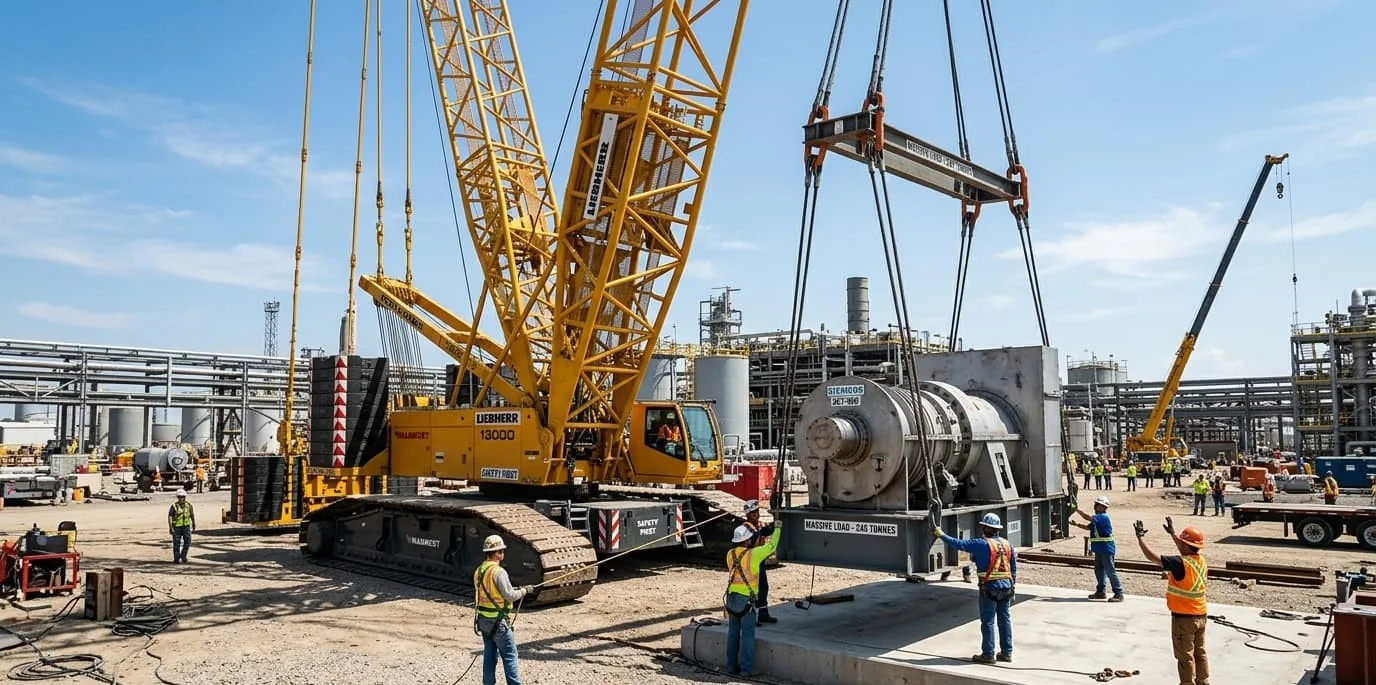
Customs and port interfaces, specialist transport and inland movement coordinated as one connected project requirement.
Additional project stories are published only where the supporting record and client disclosure position allow public use.
The exact workflow changes with the cargo, route and authorities involved. The control logic should remain recognizable from initial scope through handover.
Cargo, route, timing and operating constraints.
Documents, authority, feasibility and resources.
Equipment, people, controls and escalation path.
Controlled handovers, milestones and exceptions.
Recipient, condition, POD and unresolved actions.
Project execution is shaped by cargo geometry, authority requirements, access, handling, movement windows and the interfaces that must remain coordinated.
Route feasibility, lifting, transport geometry, access and project-site handover.
→Port interfaces, customs coordination, specialized transport and inland delivery.
→Authority, access, named responsibility, controlled release and auditable closeout.
→Condition, custody, packaging, route and handover designed around the object.
→Strong project execution should be visible in the operating record — not only in marketing language after the movement is complete.
Early project facts help determine the movement method, route, authority requirements, resource plan and operating controls.
Cargo description, dimensions, weight, origin and destination, timing, handling constraints, available drawings or photographs and known customs or access requirements provide a useful starting point.
Where applicable, port interfaces, customs coordination, specialist transport and final delivery can be managed as connected parts of one project operating plan.
Oversized and heavy movements can be reviewed around verified cargo dimensions and weight, route feasibility, handling requirements, suitable equipment and required approvals.
Project movements may connect ports, logistics corridors, industrial sites and final delivery locations using resources and controls suitable for the actual requirement.
Closeout can include recipient confirmation, condition or exception records, proof of delivery and the status of any remaining actions required to close the project file.
Share the cargo, route, timing and operating constraints. We’ll structure the Pakistan-side execution approach around the project.